News
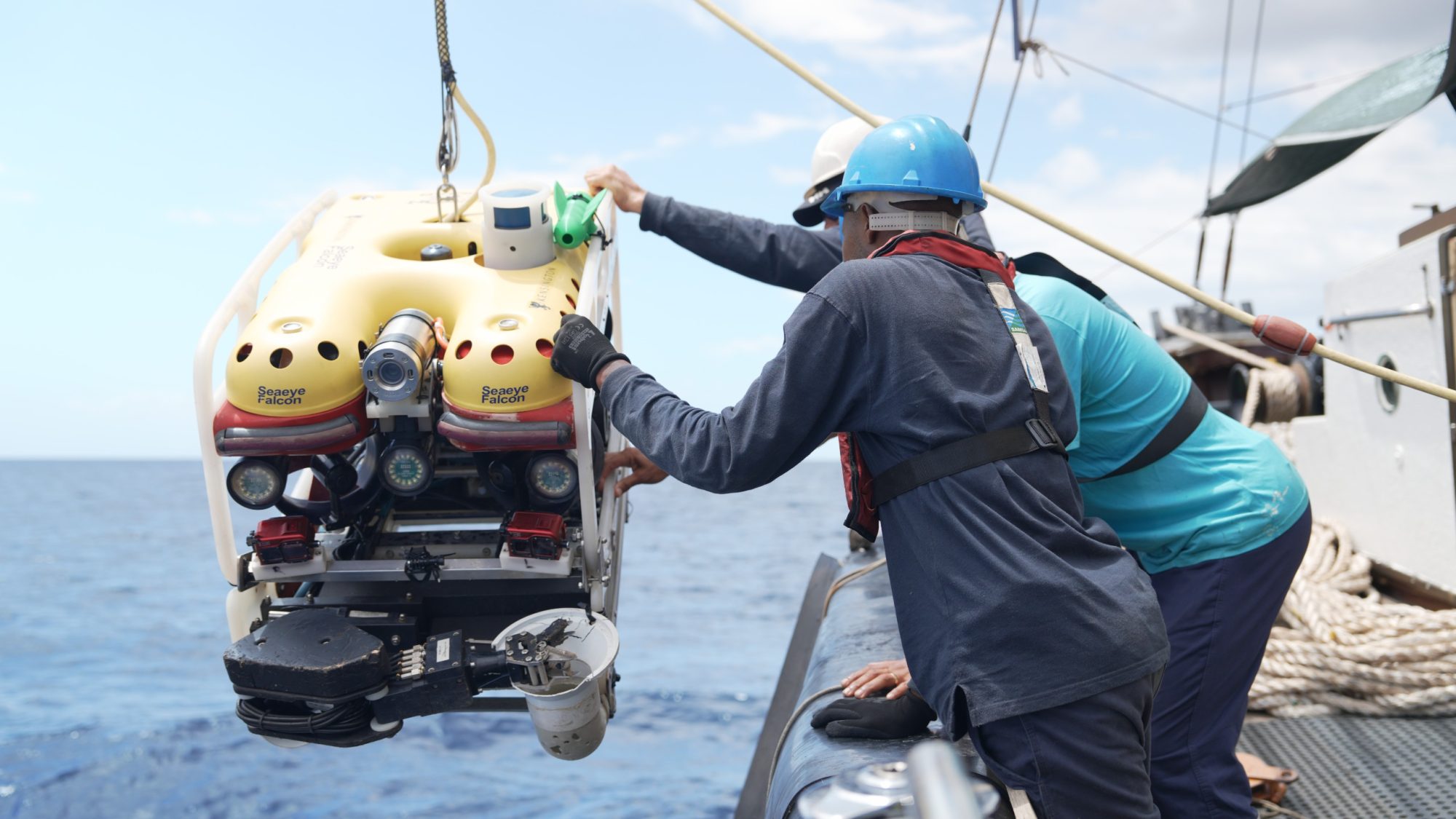
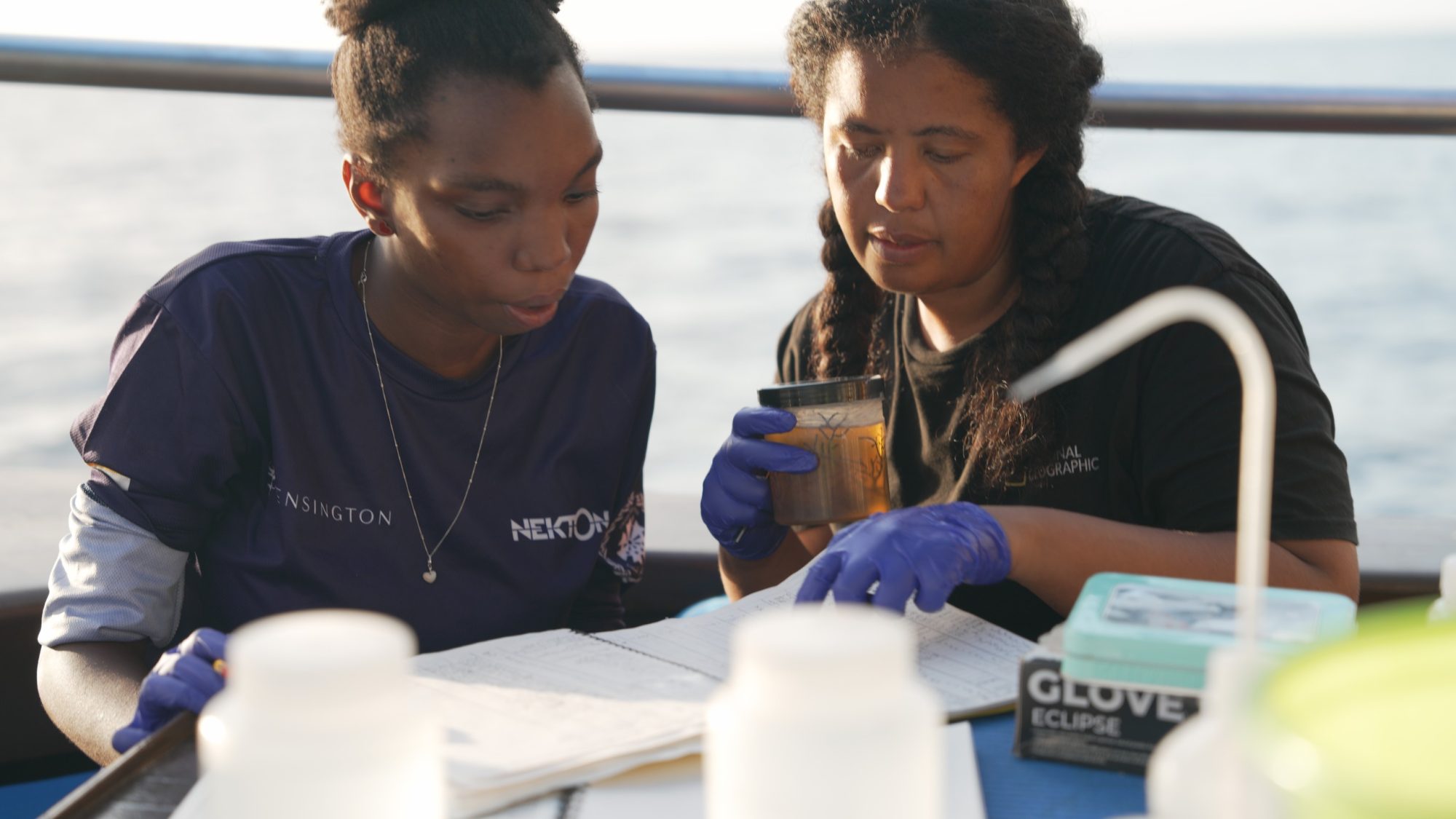
The field operations of First Descent: Comoros are just one component of the mission. In the weeks following demobilisation of mission partner WILDTRUST’s RV Angra Pequena, a dedicated knowledge exchange, with groups of between 4 to 7 University of Comoros students, took place.
The training included lectures on deep sea research opportunities for early-career scientists, discussing video analysis challenges, species identification, and morphotype screening.
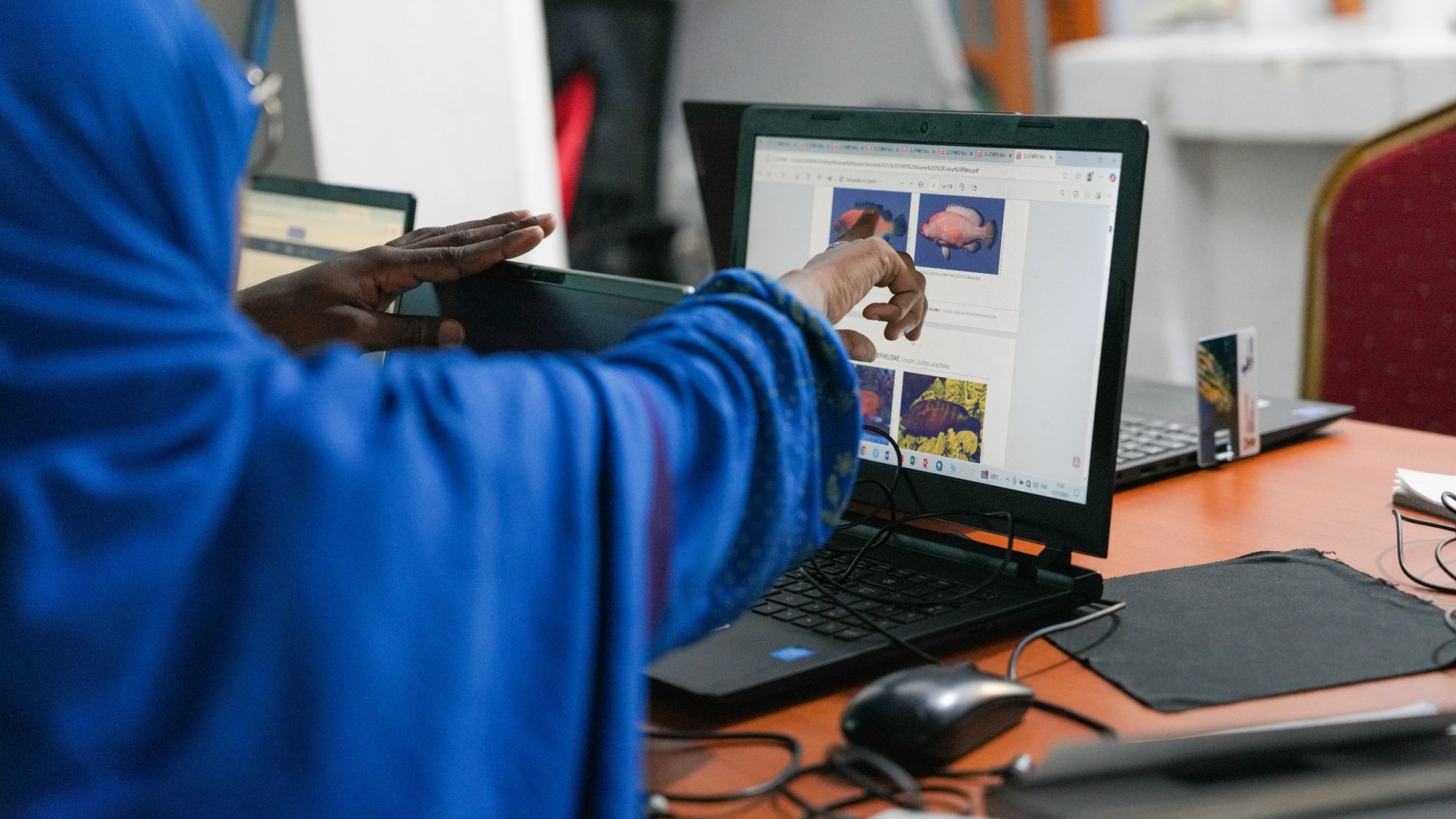
The focus was mainly on teaching students how to analyse the video data collected during the expedition. They learned fish morphotype screening for Lander and ROV videos, including species identification and grouping. Additionally, students were trained on using the EventMeasure software to analyse videos, prepare files, and extract data. This hands-on experience aimed to familiarise them with standard video transect procedures, while also allowing them to explore the data they helped collect during the expedition.
Rather than serving as a conclusion, this post-expedition exchange became a critical space for interpretation, learning, and future-oriented thinking.
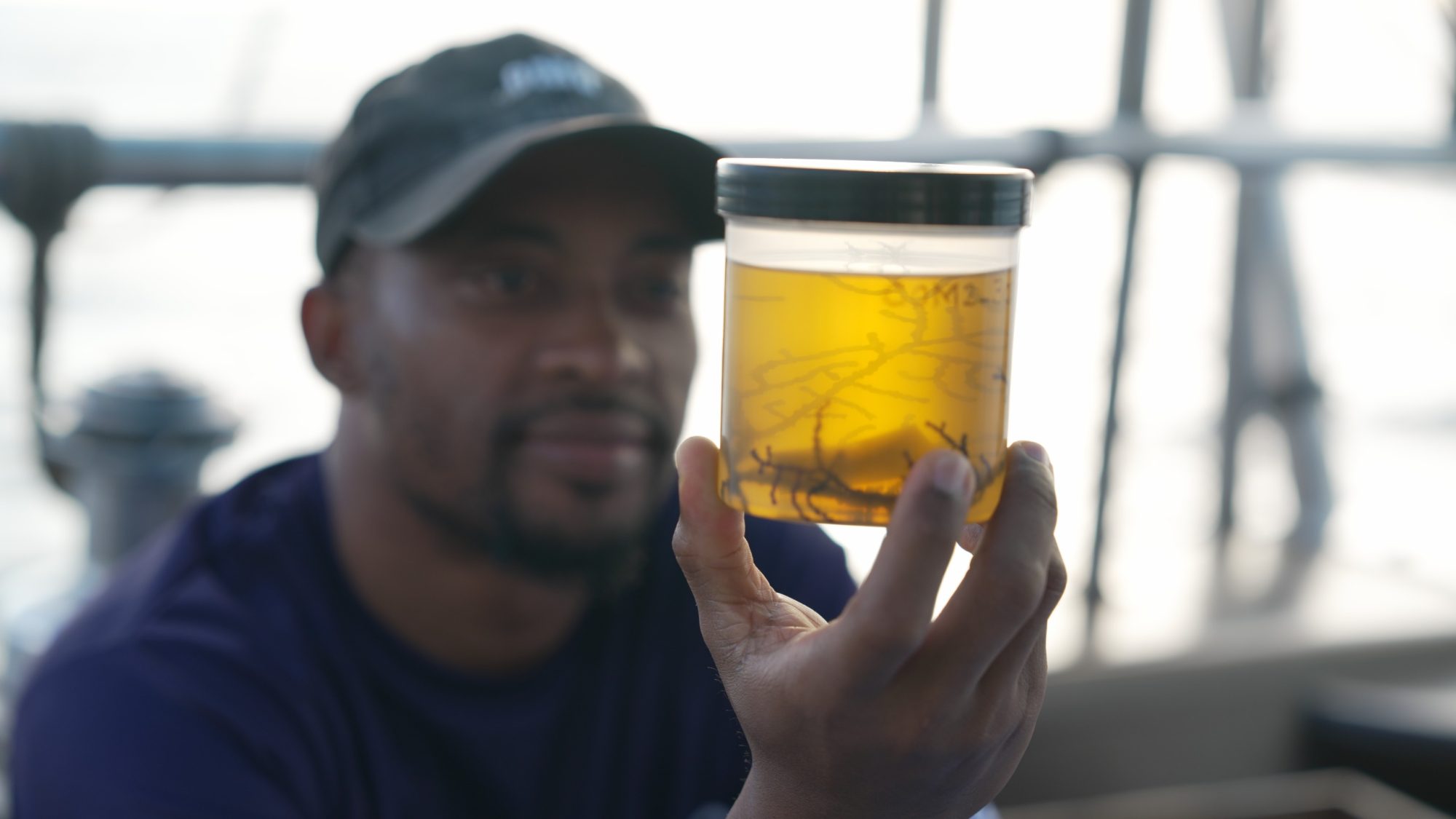
The discovery and documentation of marine species featured prominently in post-expedition discussions. Participants expressed hope that the expedition would reveal species previously unknown to science, particularly around Grande Comore, the largest and most populated island in the Comorian archipelago. As Arbabidine Amir, who worked in the environment and forestry department, reflected, “I hope that this expedition will allow us to discover new species that are still unknown to us”.
The coelacanth, a species that serves as an enduring symbol of survival in the deep, occupied a central place in the knowledge exchange. Several participants described it as the emblem of Comorian marine uniqueness and responsibility. Amina Mohamed Soilihi, a student at the University of the Comoros currently preparing a master’s degree in health resource management, explains, “We are also home to a particular species that is known worldwide and is protected: the coelacanth. So, many of our marine areas are known, notably thanks to the coelacanth, which makes them special”.
Idiamine Zakidine Mohamed Ismaila, currently a master’s student in health resources at the University of the Comoros, pointed out that the expedition could also shed light on less internationally famous, but ecologically vital species, such as groupers or, “ntsehele” in Comorian, which is endangered worldwide. Understanding whether such species are threatened locally was seen as essential for developing effective protection measures.
"I hope that this expedition will allow us to discover new species that are still unknown to us"
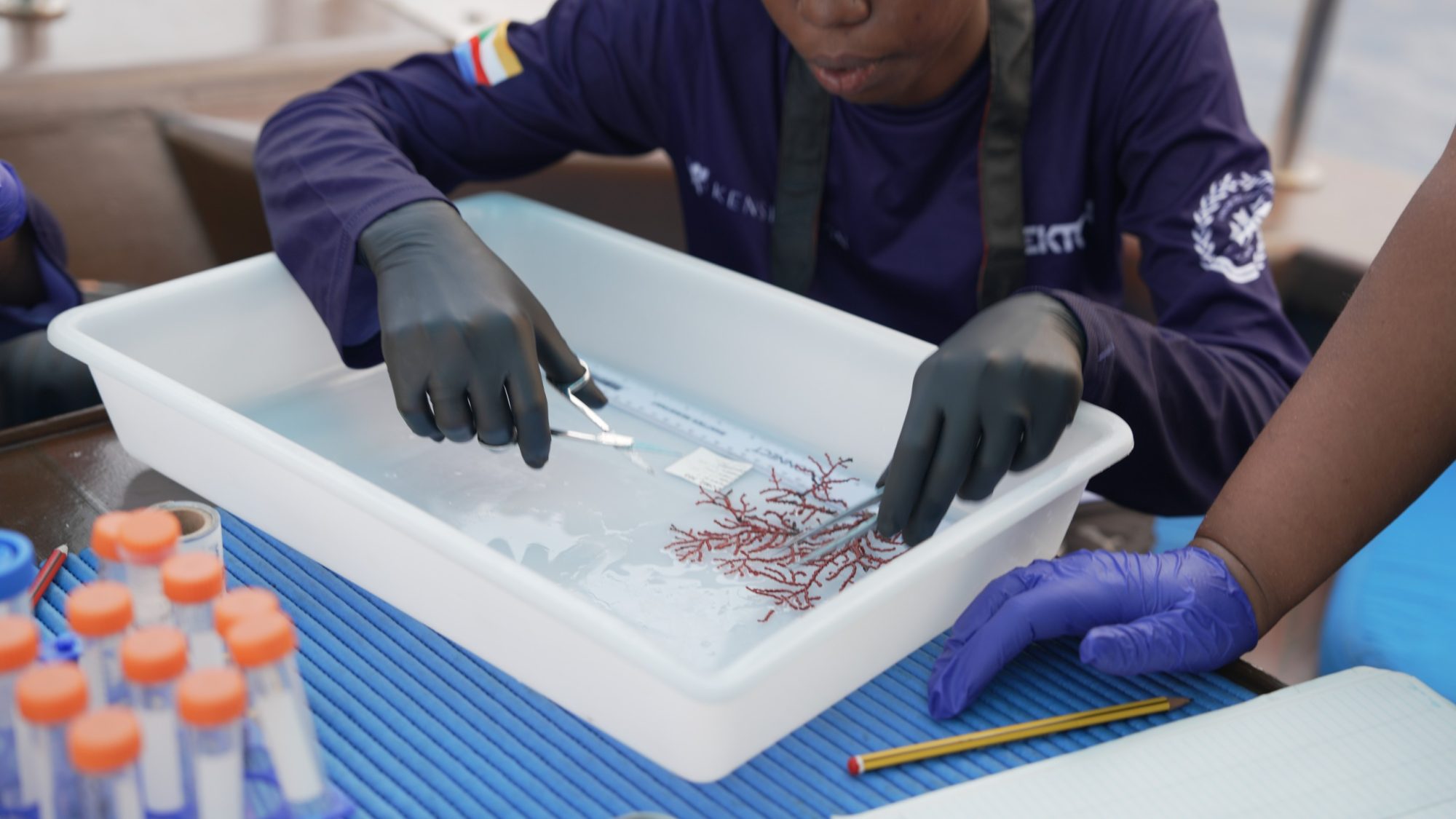
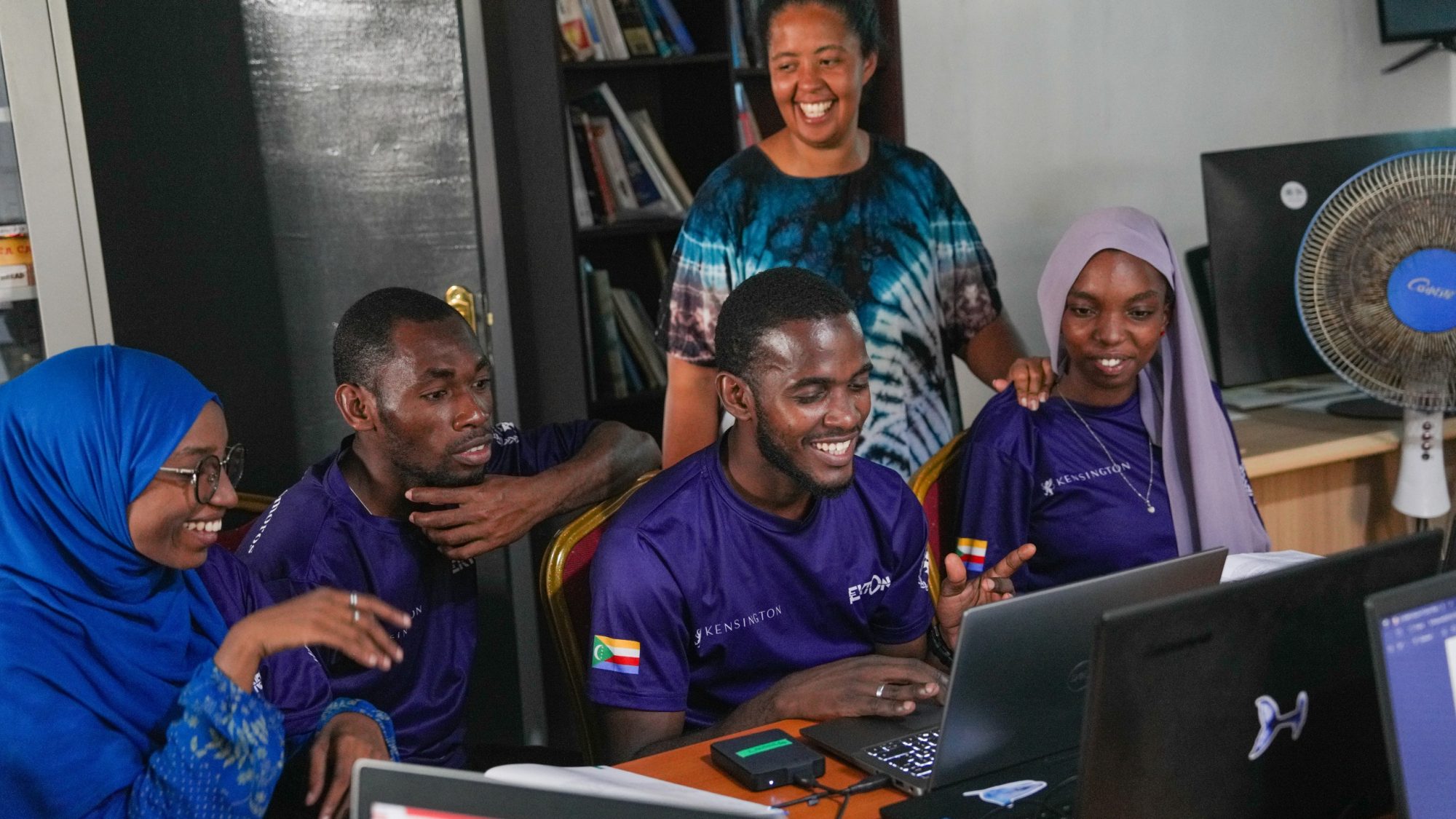
The knowledge exchange also became a space to articulate the risks the Comoros faces as a small island nation. Participants repeatedly linked improved marine knowledge to resilience in the face of climate change and natural disasters. Idiamine warned that “if a disaster were to come from the sea, we are much more exposed than those on the continents,” stressing the urgency of understanding ocean dynamics in an era of rising sea levels and intensifying storms.
Pollution, particularly waste dumping, was identified as an emerging concern. Amina explained, “these same waste products are consumed by fish, and will subsequently be eaten by humans,” explicitly linking marine degradation to public health risks.
"If a disaster were to come from the sea, we are much more exposed than those on the continents"
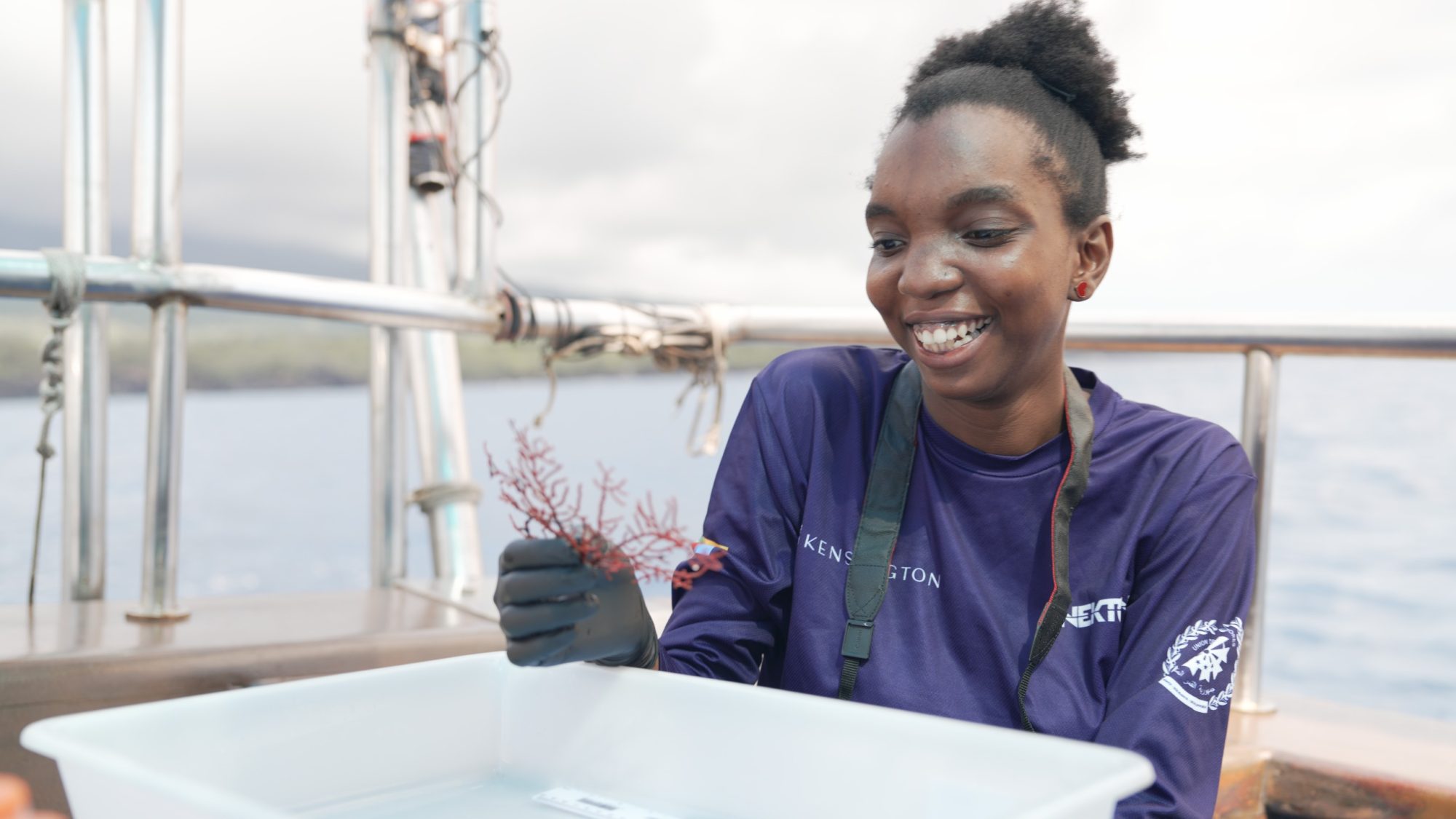
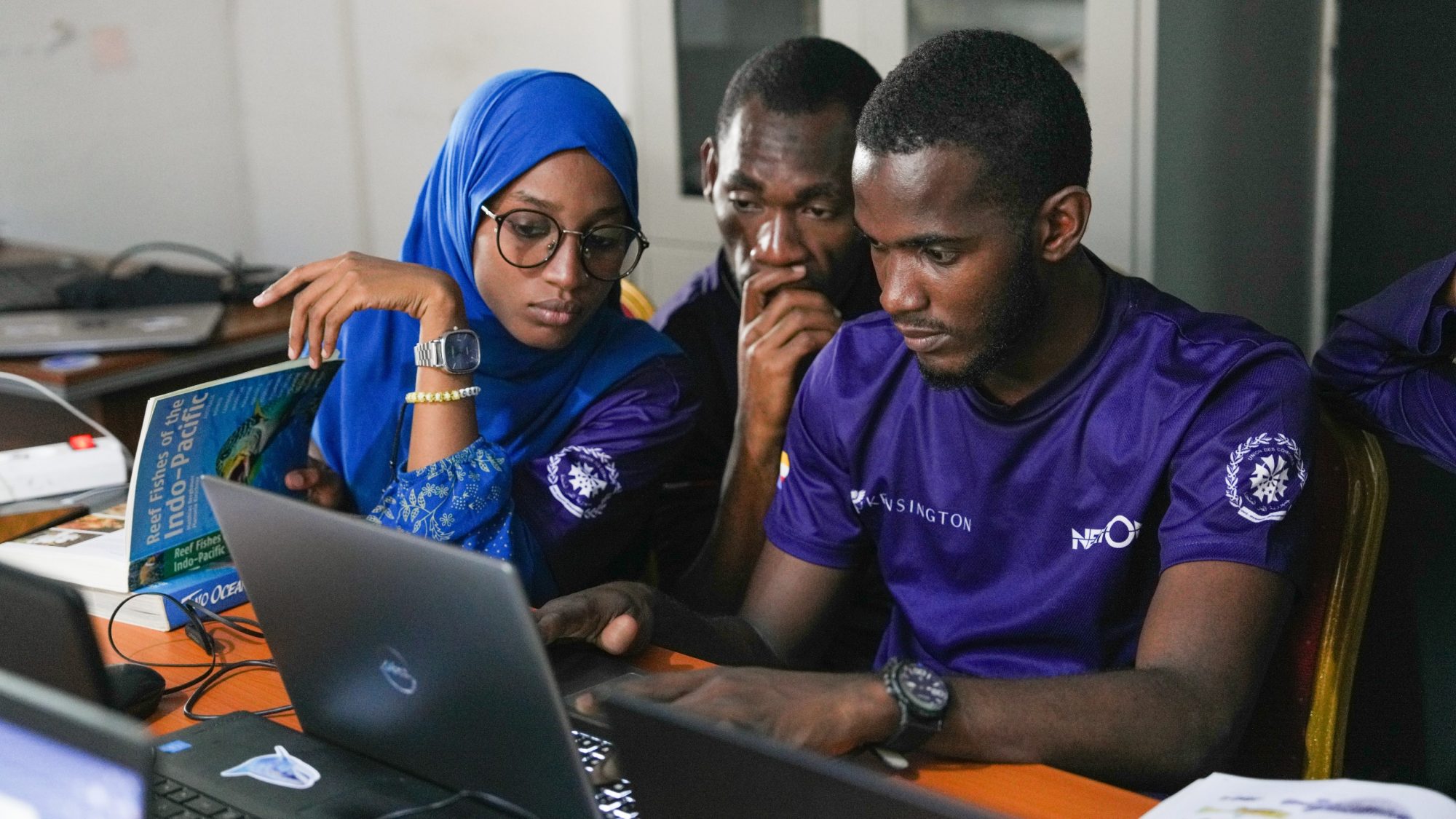
The value of the expedition depends on how its knowledge is shared and embedded locally. Many participants called for marine programmes to be strengthened within the University of the Comoros, arguing that research should not remain external or extractive. Elsi Ramoina Mohamed Elhad, a student from the Faculty of Sciences and Techniques at the University of the Comoros, highlights that “it is important to have a marine program within the University of the Comoros to allow for the analysis or research of other species at the university level”.
For students, the post-expedition exchange also reinforced the relevance of the mission to their own research trajectories. Engagement with plankton studies, fisheries management, and ecosystem data was seen as a way to align personal academic goals with national priorities.
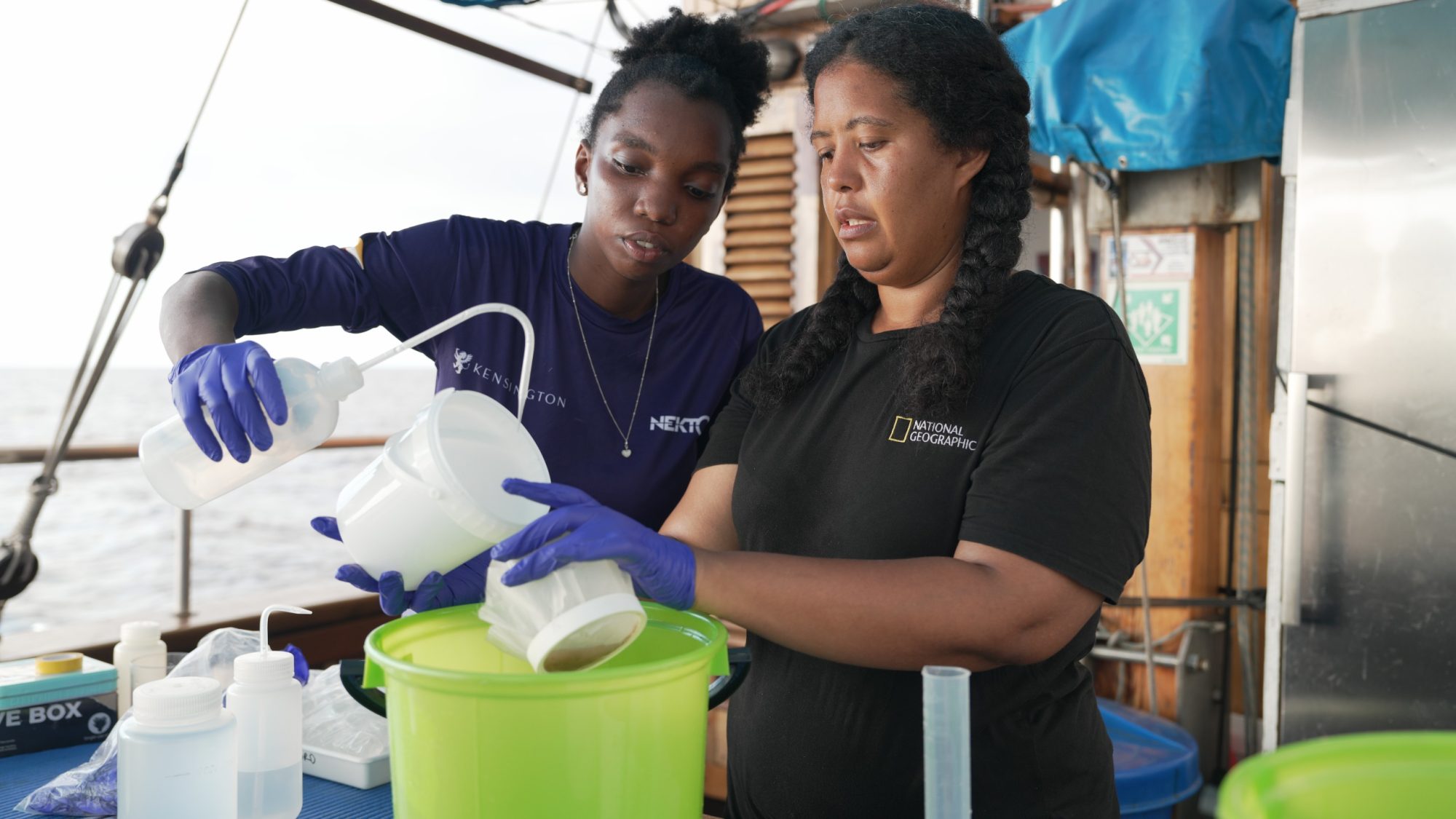
The knowledge exchange created a vital platform for women to articulate their experiences in marine science. Female participants spoke openly about gender stereotypes and fears that discourage women from entering ocean-related fields. Elsi addressed these concerns directly, saying: “there are some girls who say to themselves, ‘I’m not going to go there because I can’t swim, or I’ll get eaten by a shark’… No, you have to let all that go”.
Women also highlighted their role as communicators and advocates. Amina noted that when women engage with environmental issues, “people tend to stop and try to understand what she’s saying or doing,” suggesting that women’s voices can play a powerful role in raising awareness and driving change.
"There are some girls who say, ‘I’m not going to go there because I can’t swim, or I’ll get eaten by a shark’… No, you have to let all that go"
Ultimately, the post-expedition knowledge exchange reframed the First Descent: Comoros mission as part of an ongoing process rather than a standalone event. Data and discoveries must not “remain in a drawer,” but should circulate through education systems, communities, and policy spaces.
Improving knowledge of marine resources will enable the Comoros to protect its ecosystems, prepare for future risks, and create sustainable opportunities for generations to come.