
News
Every nation has the right to navigate, fish, and conduct research in the high seas. These waters, lying beyond national Exclusive Economic Zones (EEZs), encompass nearly two-thirds of the world’s ocean. They are our global commons, yet until now, they lacked a comprehensive framework for protection.
That changes this weekend. On the 17th January 2026, the BBNJ Agreement, commonly known as the High Seas Treaty, officially enters into force. This milestone follows the 60th ratification in September 2025, triggering a legally binding “Constitution for the Ocean” that covers half the planet’s surface.

For decades, the high seas were governed by a patchwork of sectoral agreements. None comprehensively protected biodiversity or regulated the cumulative impacts of shipping, overfishing, and pollution. Emerging interests like deep-sea mining have added pressure to these remote ecosystems, even as vast areas remain undersampled by science.
Operating under the UN Convention on the Law of the Sea (UNCLOS), the BBNJ Agreement fills this gap through four essential pillars:
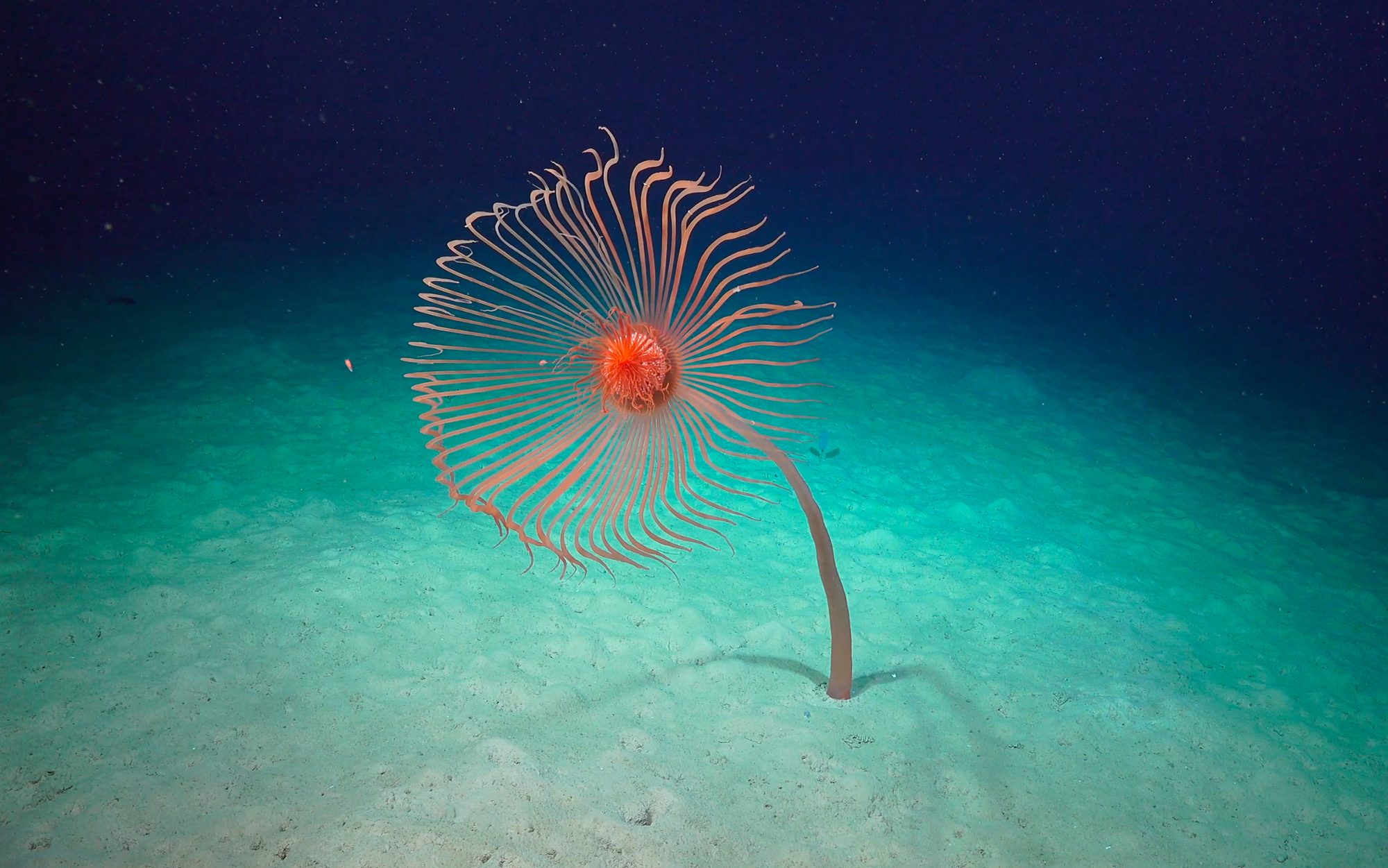
The BBNJ Agreement places science at its core. It establishes a Scientific and Technical Body to provide independent advice and a Clearing-House Mechanism to facilitate open access to research, training, and data.
Historically, only a handful of nations had the resources to study the deep ocean. By promoting shared data and technology transfer, the treaty reduces these inequalities. As exploration expands, the pace of discovery in the high seas will accelerate, improving our understanding of how these ecosystems regulate our climate and support life.

The BBNJ High Ambition Coalition (HAC) reflects the global commitment to this treaty and its ambitious implementation. The coalition brings together more than 40 countries from all continents and is co-chaired by Seychelles, Palau and the European Union.
Seychelles has played an active role in the treaty’s development and preparations for implementation. Its leadership has included guiding negotiations on procedural rules, financial mechanisms, and inclusive governance arrangements through the Preparatory Commission. Seychelles has advocated for predictable, accessible funding to support capacity building for SIDS and developing countries.
This international leadership resonates with Nekton’s partnerships and ocean science work, such as the First Descent: Seychelles Mission (2019), which helped build national capacity, contribute to deep-sea discovery, and support collaborative science in Seychelles’ own waters.
The entry into force of the BBNJ Agreement is a victory for equity. For too long, the high seas were a 'closed club.' By enshrining capacity building as a core pillar, this treaty ensures that scientists from Large Ocean States like the Seychelles aren't just spectators, but active architects in the future of our global ocean.

For Nekton and the Ocean Census, this Agreement reinforces the value of open science. It provides a framework where discovery directly supports international governance.
The “Wild West” era of the ocean is ending. In its place, the BBNJ Agreement offers a vision of a future managed collectively, where the benefits of understanding the ocean are shared, and the high seas remain resilient for generations to come.