News
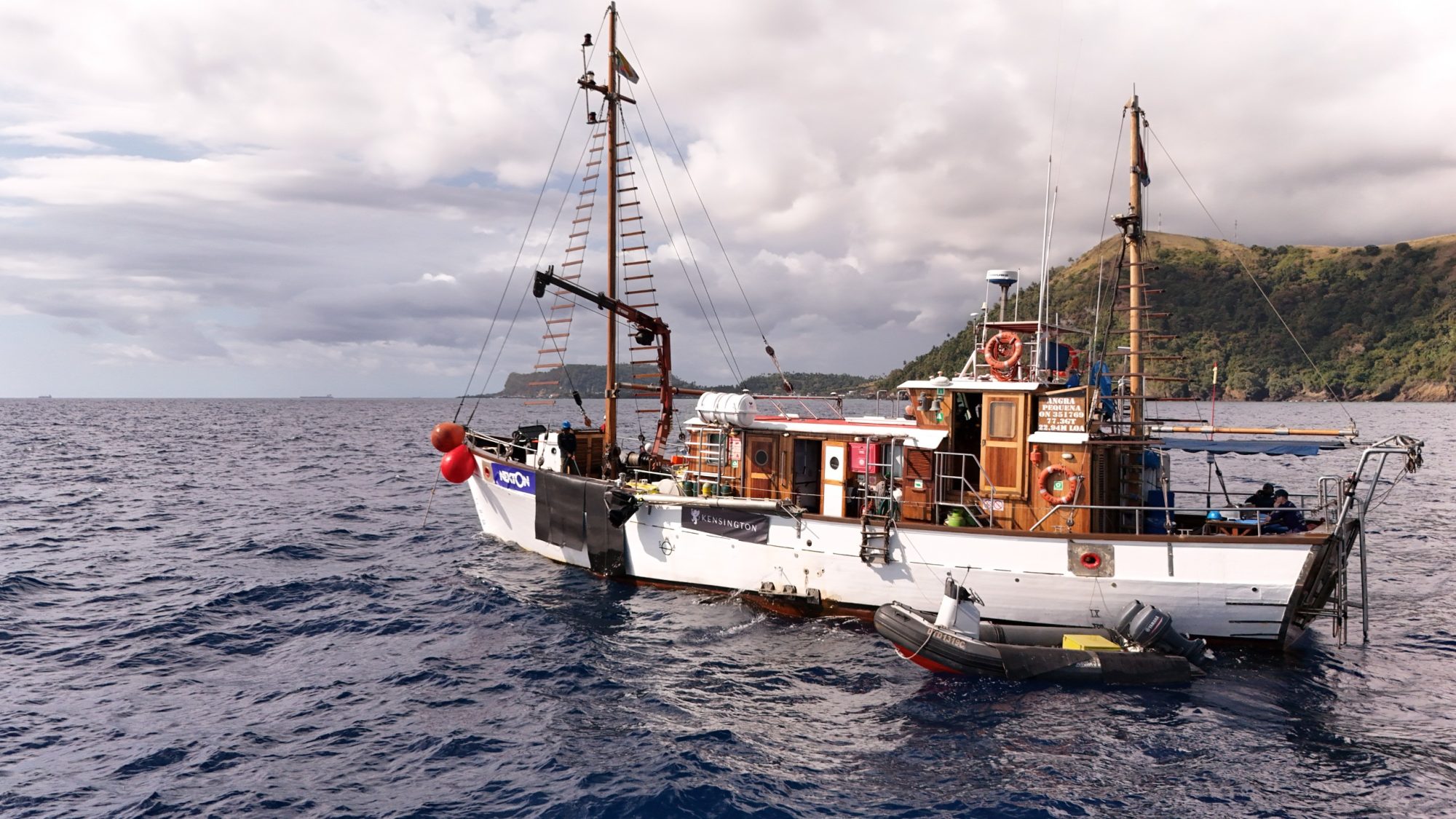
In 2025, Nekton’s First Descent: Comoros expedition brought together scientists from Comoros and further afield, to explore and document the marine ecosystems surrounding the Comoros archipelago. The mission supported the commitment of Comoros to protect 30 percent of its national waters by 2030, via the R-POC programme (Renforcement de la Protection des Océans aux Comores). Through post-expedition training and a species identification workshop at the South African Institute for Aquatic Biodiversity (SAIAB), Comorian researchers have continued to develop skills in taxonomy, video analysis and biodiversity documentation.
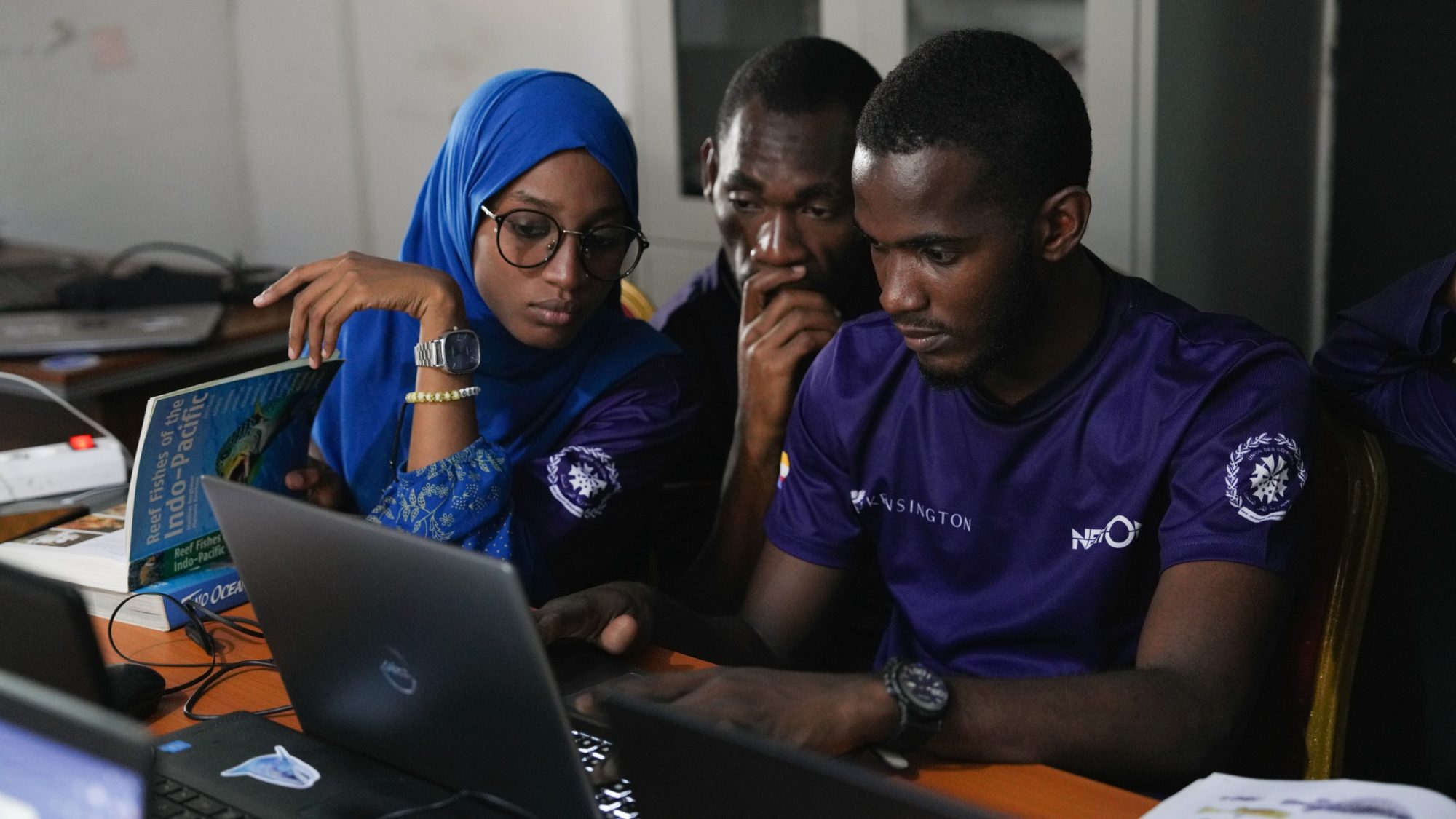
Now, working at the marine laboratory at the University of the Comoros, young scientists Amina Mhamadi Soilihi and Diamine Zaankiddine Mohamed, who joined the First Descent Mission in 2025, are turning the expedition’s specimens, images and footage into lasting resources for future research. This process will help augment local expertise and continue to foster the long-term understanding and protection of Comoros’ marine ecosystems.
Amina Mhamadi Soilih and Diamine Zaankiddine Mohamed, originally both from Comoros, hold Master’s in Fisheries Resource Management and are interns at the University of the Comoros’ Laboratory of Marine and Coastal Sciences (LSML). Both were involved in the 2025 expedition and have continued their training and research since.
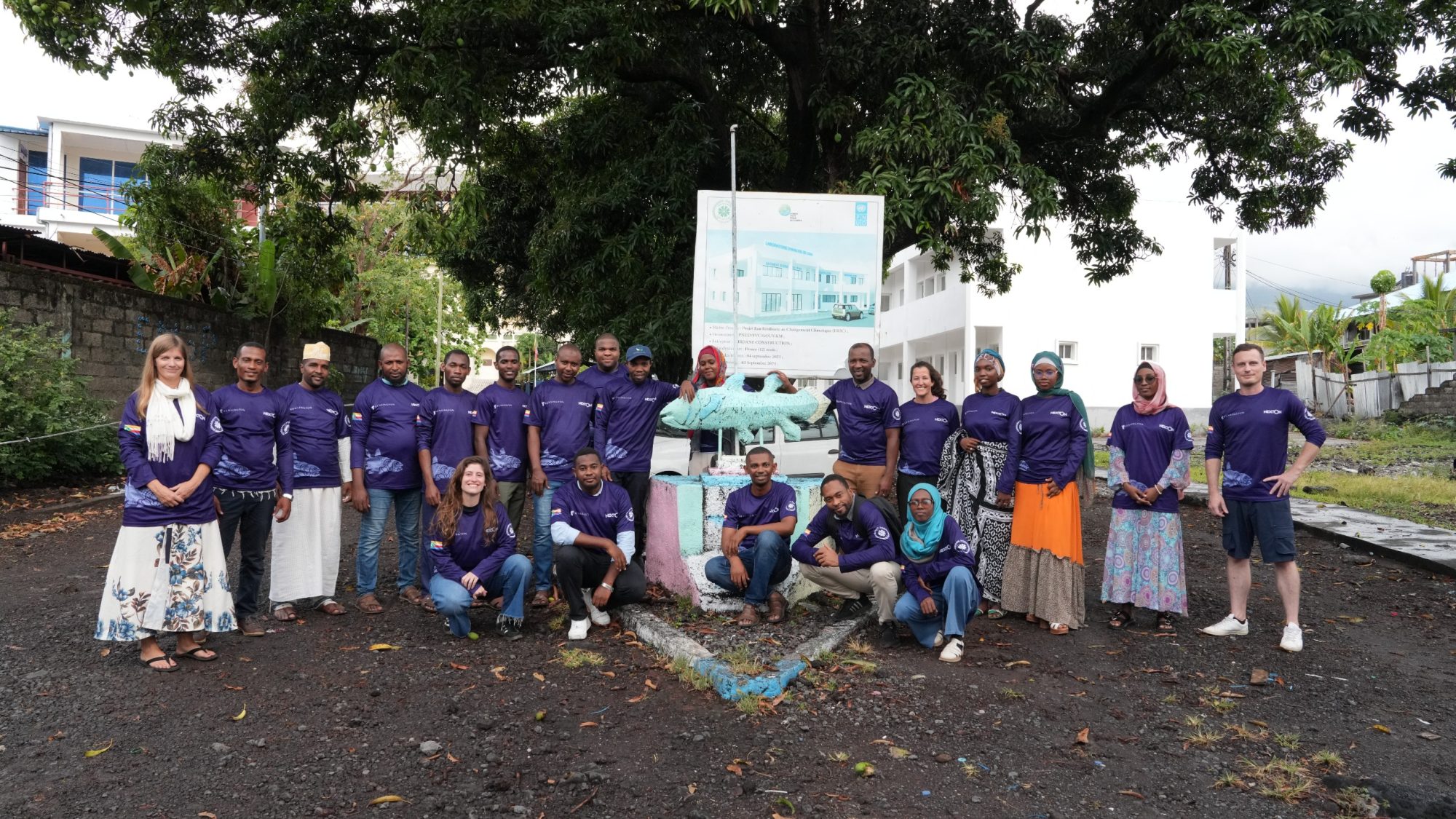
“I had the chance to experience the expedition both on board the ship and in the laboratory. At sea, I took part in sampling and specimen collection alongside experts from diverse backgrounds. In the laboratory, I benefited from training in species identification and separation delivered by the Nekton scientific team.
This dual experience of fieldwork and laboratory work gave me a complete understanding of the scientific process, from sample collection through to analysis”.
“Comoros is a state made up of small islands whose maritime area far exceeds that of the land itself. It is therefore essential that Comorian scientists are at the heart of research carried out in our own waters, as we are best placed to understand, value and protect this marine wealth in the long term.
This involvement also ensures lasting skills transfer and strengthens our capacity to lead future studies on our biodiversity ourselves”.
“Following the training received at the laboratory in Comoros during the expedition, I had the opportunity to take part in a Nekton/Ocean Census species identification workshop organised in South Africa, at the SAIAB laboratory, as a follow-up to the expedition, in order to identify the sampled species. There, I benefited from the expertise of scientists from various international institutions. This experience broadened my perspective and strengthened my taxonomy skills, allowing me to better understand the work I am currently carrying out during my internship”.
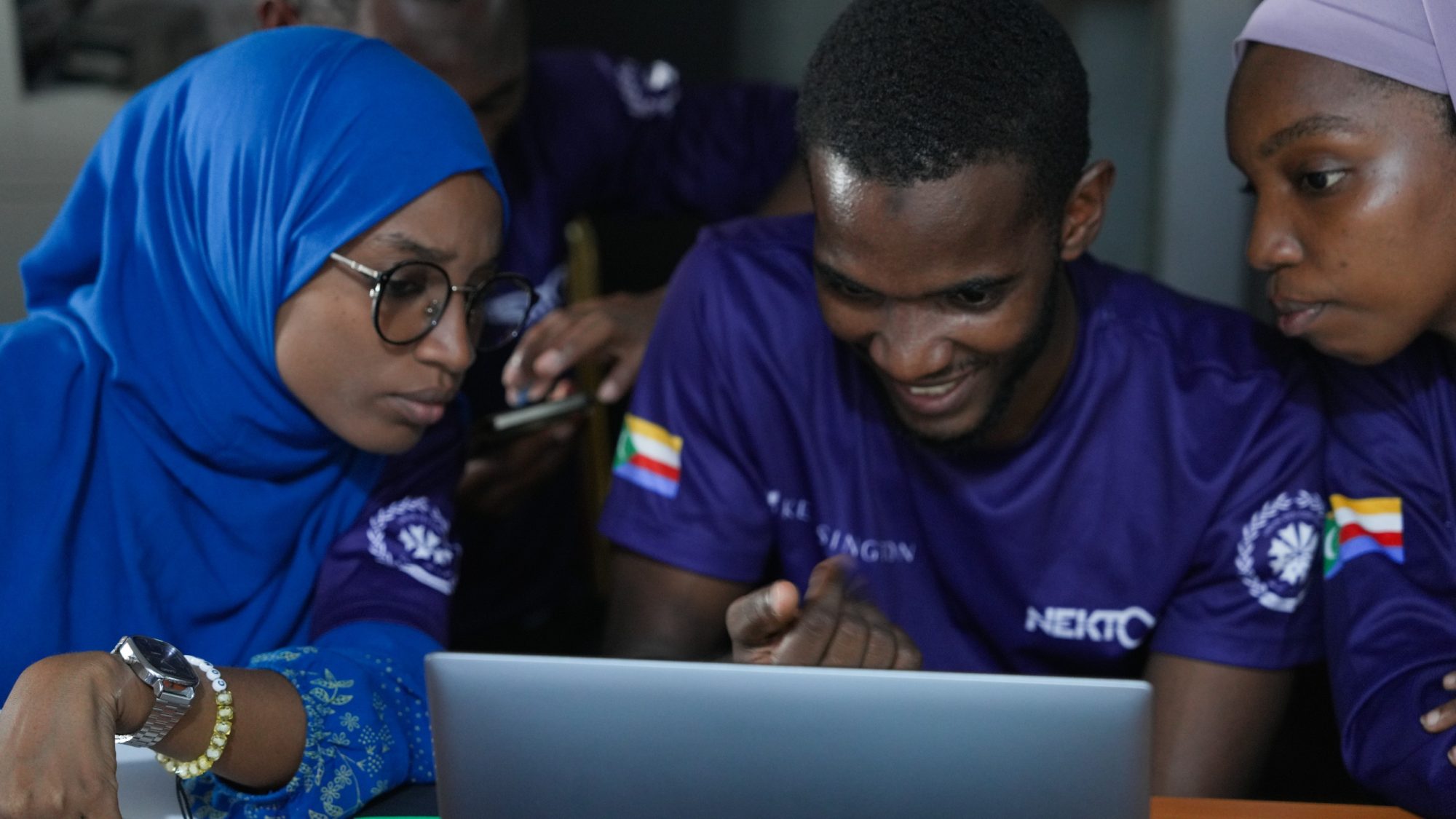
“I am currently continuing my work at the Laboratory of Marine and Coastal Sciences: preparing video footage and images collected during the expedition, organising data, creating a library, and carrying out morphological screening of reef fish, as well as preparing field guides. Maintaining this work at the local level is essential, because as a Comorian biologist, it is important for us to discover, understand, and master the potential of our own biodiversity”.
“These tools will create a descriptive database of species found in the marine waters of Comoros. Future researchers will be able to identify marine fauna and flora more quickly, recognise new species, monitor changes in reefs and other species, and compare ecosystems across the islands and within the country’s marine protected areas”.
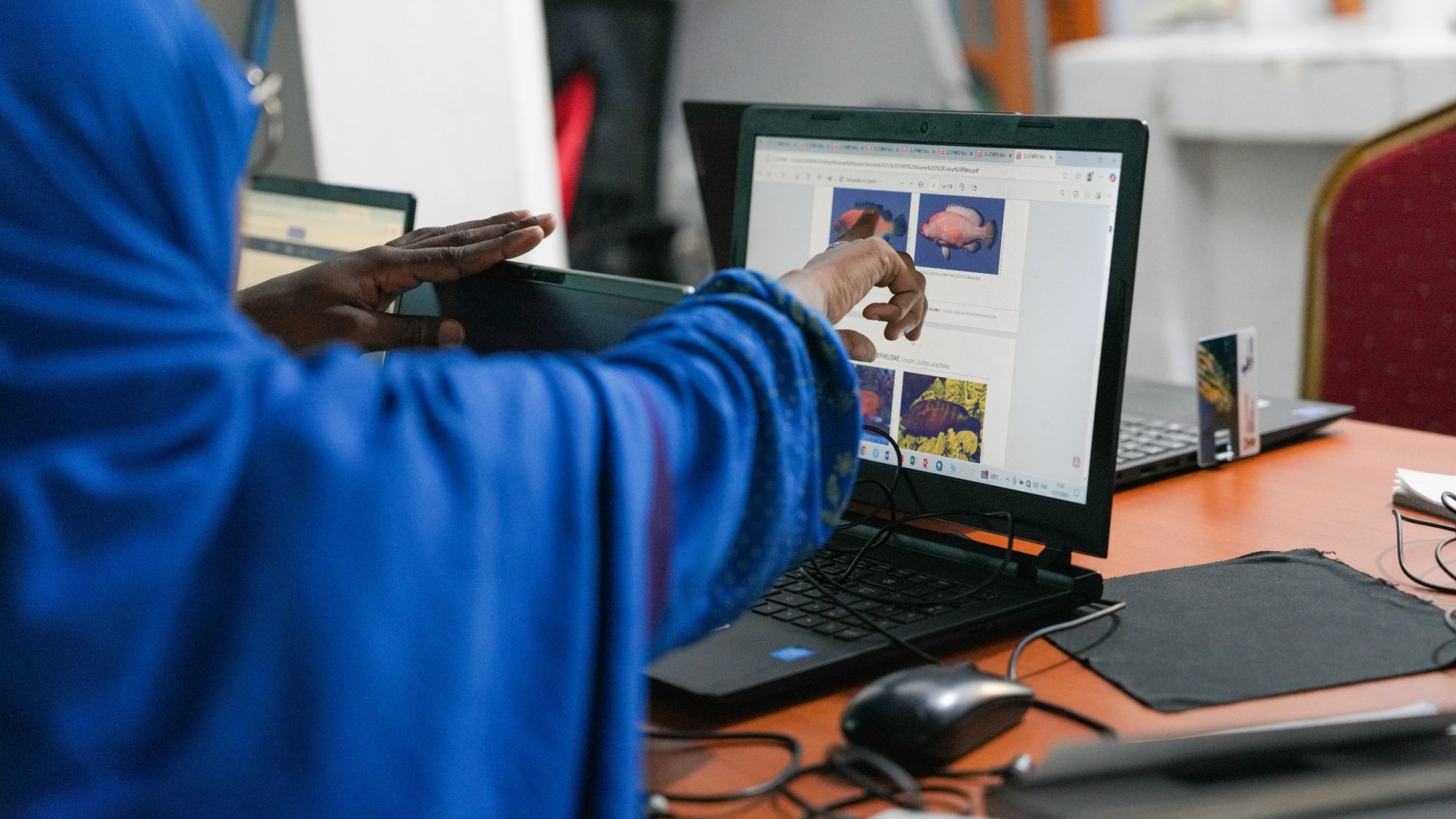
“Such opportunities train young Comorians in field science, including data collection, species identification and underwater photography. They create local experts, build scientific pride and provide the hands-on experience that is essential for careers in marine biology and coastal management in Comoros”.
“With this knowledge, Comorian scientists will be able to provide reliable data to prioritise species, particularly those that are most vulnerable. They can assess fishing zones and advise the government on decision-making.
Local expertise can help ensure decisions are better suited to the realities of Comorian marine ecosystems, while also better involving communities in conservation by understanding the status of their resources and ecosystems”.
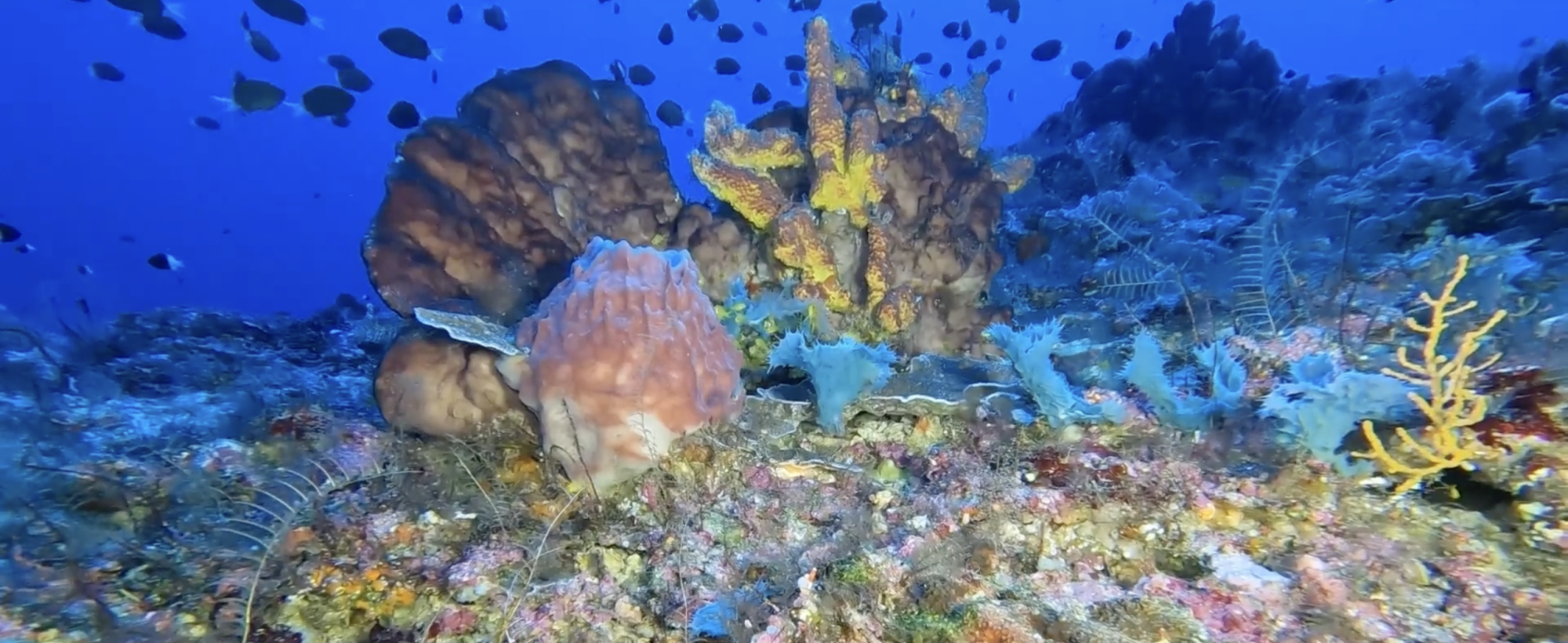
The work of Amina and Diamine will continue through the end of 2026, helping to turn the discoveries and observations from the First Descent mission into resources that can support research for years to come. Equally, their work helps underline the need for Comorian scientists to be equipped to continue exploring, understanding and researching their own marine environment, one of the most biodiverse regions on earth.